
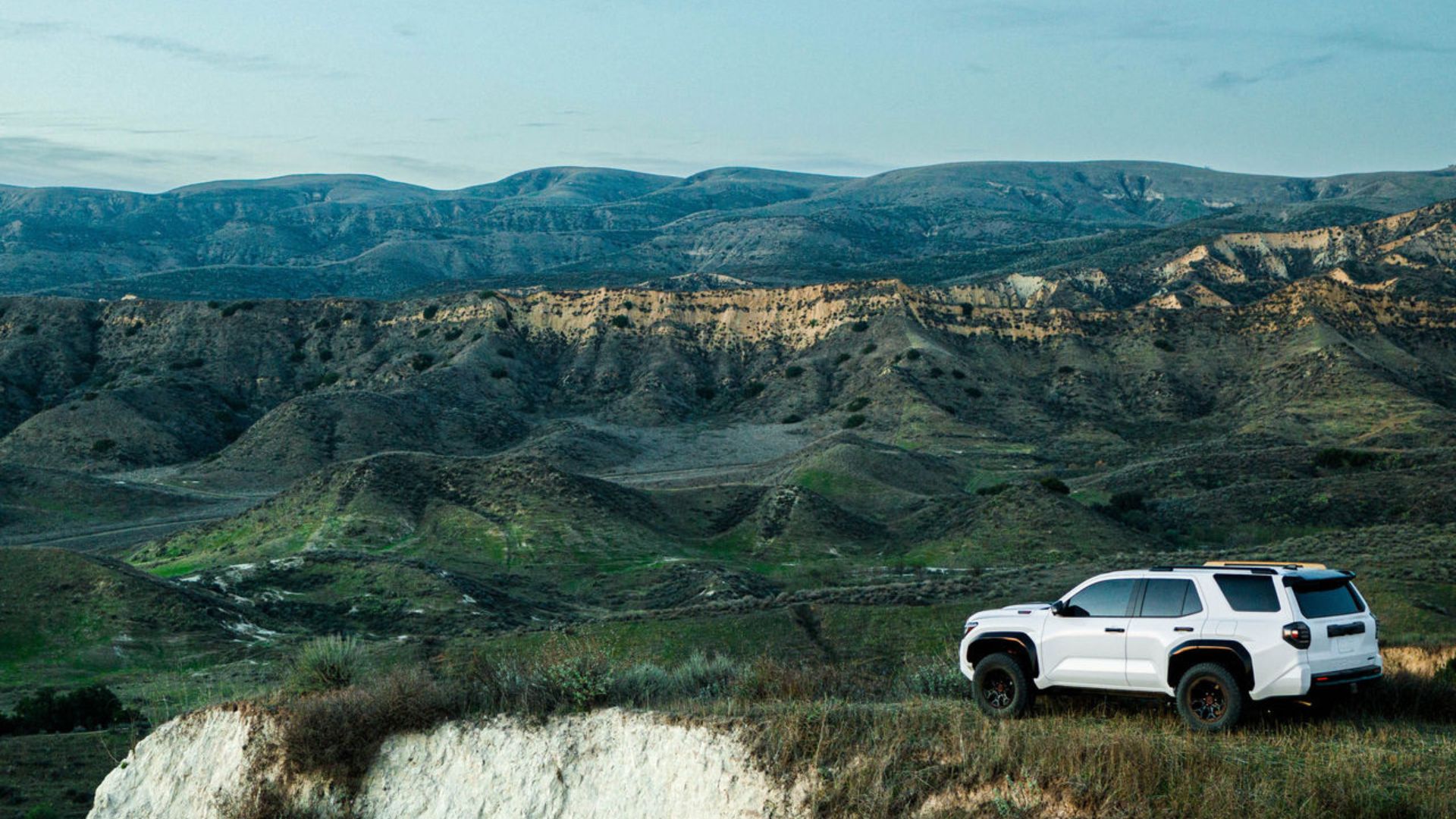
When winter weather arrives in Western Washington, a drive over Snoqualmie Pass calls for more than confidence. It calls for the right vehicle, the right tires, and a plan that can adapt when mountain conditions change. At Toyota of Renton, part of the O'Brien Auto Group, we know many local drivers want an SUV that feels capable for daily travel around Renton while remaining ready for ski weekends, family trips, and winter adventures beyond the Cascades. The 2026 Toyota 4Runner is a strong fit for that job when it is properly equipped and responsibly prepared.
Key Takeaways
- A 2026 Toyota 4Runner with available or standard four-wheel-drive capability on select models can be well suited to winter mountain travel when matched with proper tires and safe driving habits.
- Snoqualmie Pass traction requirements can change quickly, so drivers should check current conditions and carry chains before leaving Renton.
- Approved traction tires and sufficient tread are essential for Toyota 4Runner winter driving, but four-wheel drive does not eliminate the need for chains when conditions require them.
- Preparing for a winter mountain trip includes checking weather, pass conditions, fuel level, emergency supplies, lights, battery condition, and tire pressure.
- Toyota of Renton can help drivers compare available 2026 Toyota 4Runner models and find an SUV that suits year-round Pacific Northwest driving.
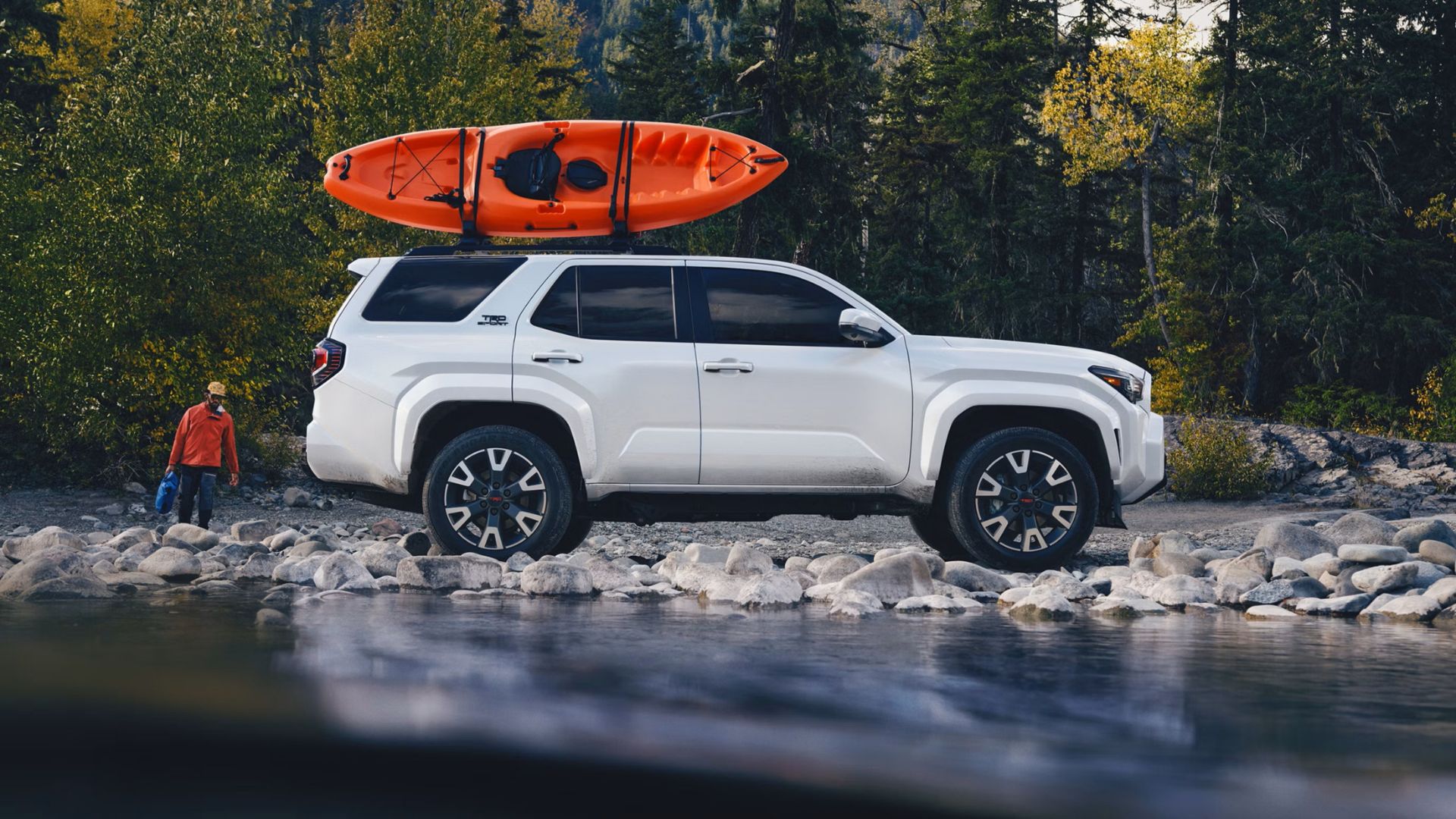
Can a 2026 Toyota 4Runner Drive Safely Over Snoqualmie Pass in Winter?
Yes, a properly equipped 2026 Toyota 4Runner can be a capable choice for Snoqualmie Pass winter travel, but no vehicle makes snowy or icy mountain roads risk-free. Safe travel depends on the driver, road conditions, tires, vehicle setup, and whether state agencies have posted traction restrictions or closures.
The 2026 Toyota 4Runner brings a rugged body-on-frame design, responsive turbocharged power, and available four-wheel-drive capability to the conversation. Depending on trim and configuration, drivers can choose a 4Runner with equipment designed to support traction and control on loose, slick, or uneven surfaces. Features such as a two-speed transfer case, high and low range capability on applicable models, and available traction-focused systems can provide useful confidence when the road is clear enough to travel but still demanding.
Still, the key word is “properly equipped.” Four-wheel drive helps a 4Runner move forward with greater control in low-traction conditions, but it does not make stopping distances shorter or corners automatically safer. Icy pavement, packed snow, fog, wind, and rapidly falling temperatures can affect even the most capable Toyota 4Runner mountain driving setup.
For drivers leaving Renton early for a ski day or heading east after work, the best approach is to treat the 4Runner’s capability as an advantage, not a substitute for cautious decisions. Slow down, leave more following distance, avoid abrupt steering or braking, and be willing to delay the trip if conditions are deteriorating.
What Traction Requirements Apply on Snoqualmie Pass?
Snoqualmie Pass traction requirements are not static. Washington road crews and transportation officials adjust them according to weather and roadway conditions, which means a clear road near Issaquah can lead to snow, ice, slush, or chain controls at higher elevations.
Drivers may encounter several types of winter notices. In some situations, approved traction tires may be required. In more severe conditions, chains may be required for certain vehicles, while qualifying four-wheel-drive and all-wheel-drive vehicles may be exempt from installing chains if they have approved traction tires and carry chains. When conditions become extreme, chains can be required on all vehicles, including 4WD and AWD models.
That distinction matters for 2026 Toyota 4Runner snow performance. A four-wheel-drive 4Runner can be better positioned than a two-wheel-drive vehicle when traction restrictions are posted, but it is not automatically exempt from every requirement. Drivers should always read the current signs and confirm the posted pass status before proceeding.
Approved traction tires generally need adequate tread depth and qualifying sidewall markings, such as M+S, all-season, or the mountain snowflake symbol. Because requirements can change while you are on the road, carrying properly sized chains remains a smart and often necessary step for winter pass travel.
Do I Need Winter Tires or Chains for Snoqualmie Pass?
For winter driving in the Cascades, dedicated winter tires can offer improved cold-weather grip compared with many all-season tires, particularly on snow and ice. However, the correct answer depends on your specific tire type, condition, current posted requirements, and the weather forecast for your travel window.
If your 2026 Toyota 4Runner has approved traction tires with healthy tread, you may satisfy a traction-tire requirement. That does not mean you should leave chains at home. Washington winter travel guidance emphasizes carrying chains in mountain conditions, and drivers must install them when signs require chains on all vehicles.
Before buying chains, verify the exact tire size on your 4Runner and consult the owner’s materials for proper installation guidance. Practice installing them once in a dry, safe location rather than learning for the first time beside I-90 in heavy snow. Bring gloves, a flashlight, a kneeling pad, and a reflective vest, since chain-up areas can be cold, dark, and busy.
At Toyota of Renton, we recommend speaking with a qualified service professional about winter tire options, chain fitment, and routine inspection needs before the first major storm. That preparation supports safer travel whether you are crossing Snoqualmie Pass or navigating wet winter streets closer to Kent.
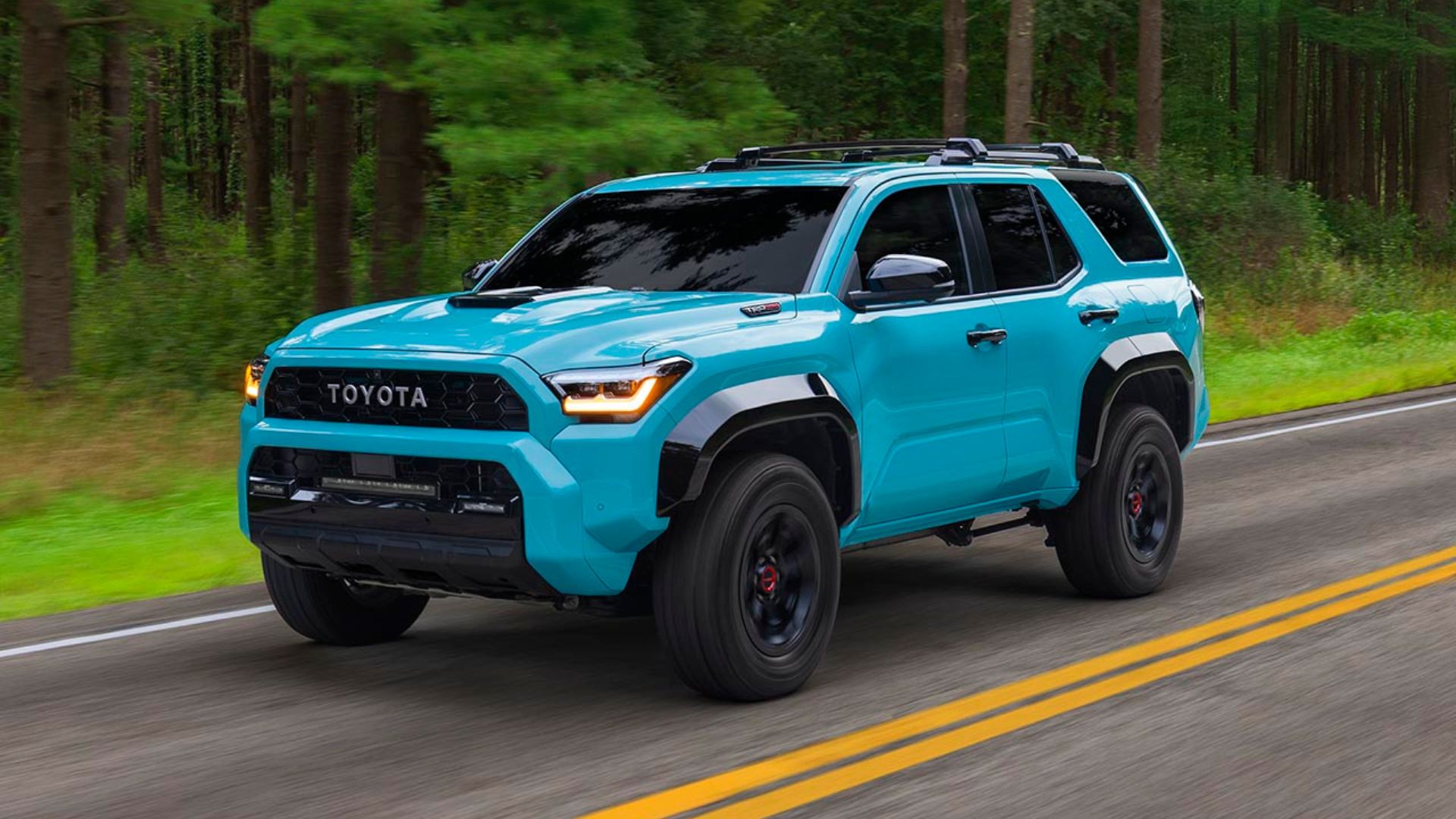
How Should You Prepare a Toyota 4Runner for a Winter Mountain Trip?
A capable SUV needs a capable pre-trip routine. Start by checking real-time pass conditions, weather forecasts, traffic alerts, and any closure information shortly before departure. Conditions can change quickly at mountain elevation, so a forecast from earlier in the day is not enough.
Your preparation checklist should include:
- Check tire tread, tire pressure, and the condition of your spare tire.
- Confirm that you have correctly sized chains and know how to install them.
- Fill the fuel tank before climbing into the mountains, especially if traffic delays or closures are possible.
- Inspect windshield wipers, washer fluid rated for freezing temperatures, headlights, brake lights, and battery condition.
- Pack warm layers, water, snacks, a phone charger, blankets, gloves, and basic emergency supplies.
- Clear snow and ice from windows, mirrors, lights, roof surfaces, and the rear camera area before driving.
- Avoid using cruise control on slick roads, and keep a larger gap between your 4Runner and the vehicle ahead.
This same mindset applies across Toyota’s SUV lineup. A RAV4, Highlander, Grand Highlander, Sequoia, or Tacoma can each serve different Pacific Northwest needs, but all winter drivers benefit from tires in good condition, a weather-aware route plan, and realistic expectations about the road.
For a dependable SUV that can support your winter travel plans, visit Toyota of Renton, part of the O'Brien Auto Group, in Renton. Browse our current selection of Toyota models, talk with our team about the right configuration for Snoqualmie Pass travel, and schedule a test drive before your next drive toward the mountains.
*Penned by AI, polished by humans
Categories:
Toyota of Renton
