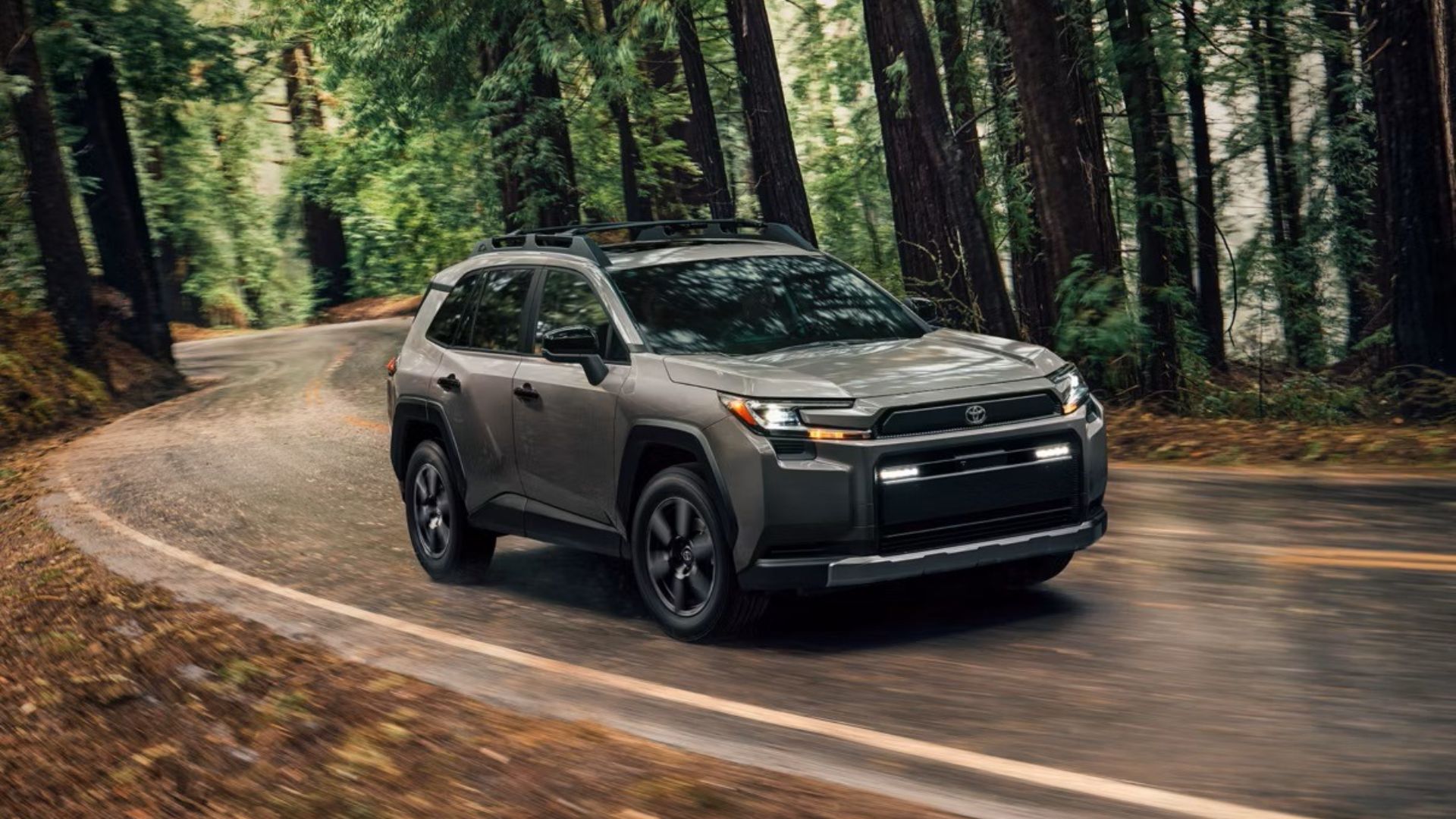
For Renton drivers who want hybrid efficiency without moving into a special trim, the Toyota RAV4 makes a strong case against the Honda CR-V. Toyota of Renton, part of its parent dealer group, O'Brien Auto Group, can help you explore what Toyota offers for your commute, weekend plans, and everyday errands. The biggest difference is straightforward: the redesigned RAV4 is now exclusively a hybrid, while the CR-V still divides its lineup between gasoline-only and hybrid models.
Key Takeaways
- Every RAV4 now has a hybrid powertrain, with conventional hybrid and plug-in hybrid choices.
- Comparable front-wheel-drive hybrids favor the RAV4 for combined fuel economy.
- The RAV4 offers more cargo room behind the rear seats than the CR-V Hybrid.
- The CR-V provides more rear-seat legroom.
- Matching hybrid trims and drivetrains gives you the most useful comparison.

Hybrid Powertrains: What Comes Standard?
The RAV4 gives you hybrid power from the starting trim, while the CR-V requires you to choose a hybrid-specific model. That makes Toyota's lineup easier to shop if better fuel efficiency is already on your must-have list.
The 2026 RAV4 redesign makes the model year important here. Its lineup replaces the previous gasoline-only option with conventional hybrid and plug-in hybrid powertrains. The conventional hybrid combines a gasoline engine with electric motors and does not require plugging in. The RAV4 Plug-in Hybrid adds a larger, externally rechargeable battery for more electric driving.
For this comparison, we're looking at the conventional 2026 RAV4 hybrid and the 2026 CR-V Hybrid. The Toyota produces 226 combined horsepower with front-wheel drive or 236 with all-wheel drive, compared with the Honda hybrid's 204 total system horsepower. That gives the RAV4 an advantage in rated output as well as standard hybrid availability.
The CR-V still offers a 190-horsepower turbocharged gasoline engine in LX, EX, and EX-L trims. Its hybrid choices begin with Sport Hybrid. Honda gives shoppers a gasoline-only alternative, but Toyota gives you hybrid power without requiring a move beyond the entry-level RAV4.
Which SUV Uses Less Fuel?
The front-wheel-drive RAV4 has the better combined fuel-economy rating when compared with a front-wheel-drive CR-V Hybrid. The RAV4 LE earns an EPA-estimated 47 mpg city, 40 mpg highway, and 43 mpg combined, versus 43 city, 36 highway, and 40 combined for the CR-V Sport Hybrid with two-wheel drive.
That advantage covers both city streets and highway driving. Whether your day stays around Renton or includes a commute toward Bellevue, the Toyota's ratings make it a compelling choice for drivers who put plenty of miles on their SUV.
Those figures compare matching drive layouts, not a front-wheel-drive Toyota against an all-wheel-drive Honda. Both models offer all-wheel drive, but trim and drivetrain changes affect fuel economy.
Electronic On-Demand All-Wheel Drive, Toyota's system that uses a dedicated rear electric motor to help power the rear wheels, is available on the RAV4. Honda offers Real Time AWD with Intelligent Control System, its system for distributing drive power to the rear wheels when needed. We can help you narrow our current selection to RAV4 trims with the drivetrain you prefer.
Cargo Room With the Rear Seats Up or Down
The RAV4 offers more space behind its rear seats than the CR-V Hybrid, while the Honda has more maximum room with those seats folded. That's a useful distinction if you normally carry passengers and cargo together.
Toyota publishes up to 37.8 cubic feet behind the RAV4's second row, compared with 36.3 cubic feet in the CR-V Hybrid. The Toyota's advantage applies to the space available while keeping all five seating positions usable. For everyday errands around Renton, that is often the configuration you'll use most.
The Honda offers up to 76.5 cubic feet with its rear seats folded, giving it the advantage when you need a larger open load area. Both SUVs have split-folding rear seatbacks, so you can lower part of the second row while retaining a rear passenger position.
Keep the Honda's powertrain in mind when comparing cargo figures. Gasoline-only and hybrid CR-V models do not have identical behind-the-seat measurements. Comparing the RAV4 with the CR-V Hybrid keeps the space discussion aligned with the powertrains you're actually choosing.
Rear-Seat Space and Everyday Comfort
The CR-V gives rear passengers more legroom, while both SUVs seat five people in two rows. Honda lists 41.0 inches of rear legroom, compared with 37.8 inches in the RAV4. That makes the Honda worth a close look if adults regularly occupy your back seat.
The RAV4 still offers a practical five-seat layout, and its available comfort equipment gives you several ways to tailor the cabin. The XLE Premium includes heated front seats and SofTex-trimmed seats, Toyota's synthetic upholstery. The XSE adds heated and ventilated front seats for a broader range of temperatures.
For a household splitting time between Renton errands and trips toward Issaquah, the decision comes down to where you want the advantage. The Honda provides more rear knee room. The Toyota combines its passenger seating with more behind-the-seat cargo volume and stronger comparable hybrid efficiency.
Matching Trims for a Fair Comparison
The RAV4 LE and CR-V Sport Hybrid are a sensible starting pair because both put you at the beginning of their respective hybrid selections. Match front-wheel drive with front-wheel drive, or choose all-wheel drive on both, before comparing specifications.
The RAV4 XLE Premium and CR-V Sport-L Hybrid make another useful pairing if you want upgraded upholstery and more convenience equipment. They are not identical packages, but they move the comparison beyond basic transportation and toward the features you'll use every day.
The Toyota also brings substantial technology to its starting trim. Toyota Audio Multimedia, its touchscreen-based infotainment system, includes a standard 10.5-inch display in the RAV4 LE. A 12.3-inch digital gauge cluster is also standard.
Toyota Safety Sense 4.0, Toyota's suite of driver-assistance technologies, comes standard on the RAV4. Honda Sensing, Honda's suite of safety and driver-assistance technologies, is standard on the CR-V. Both deserve attention during your comparison, alongside seating comfort, controls, and visibility.
Test Drive a RAV4 in Renton
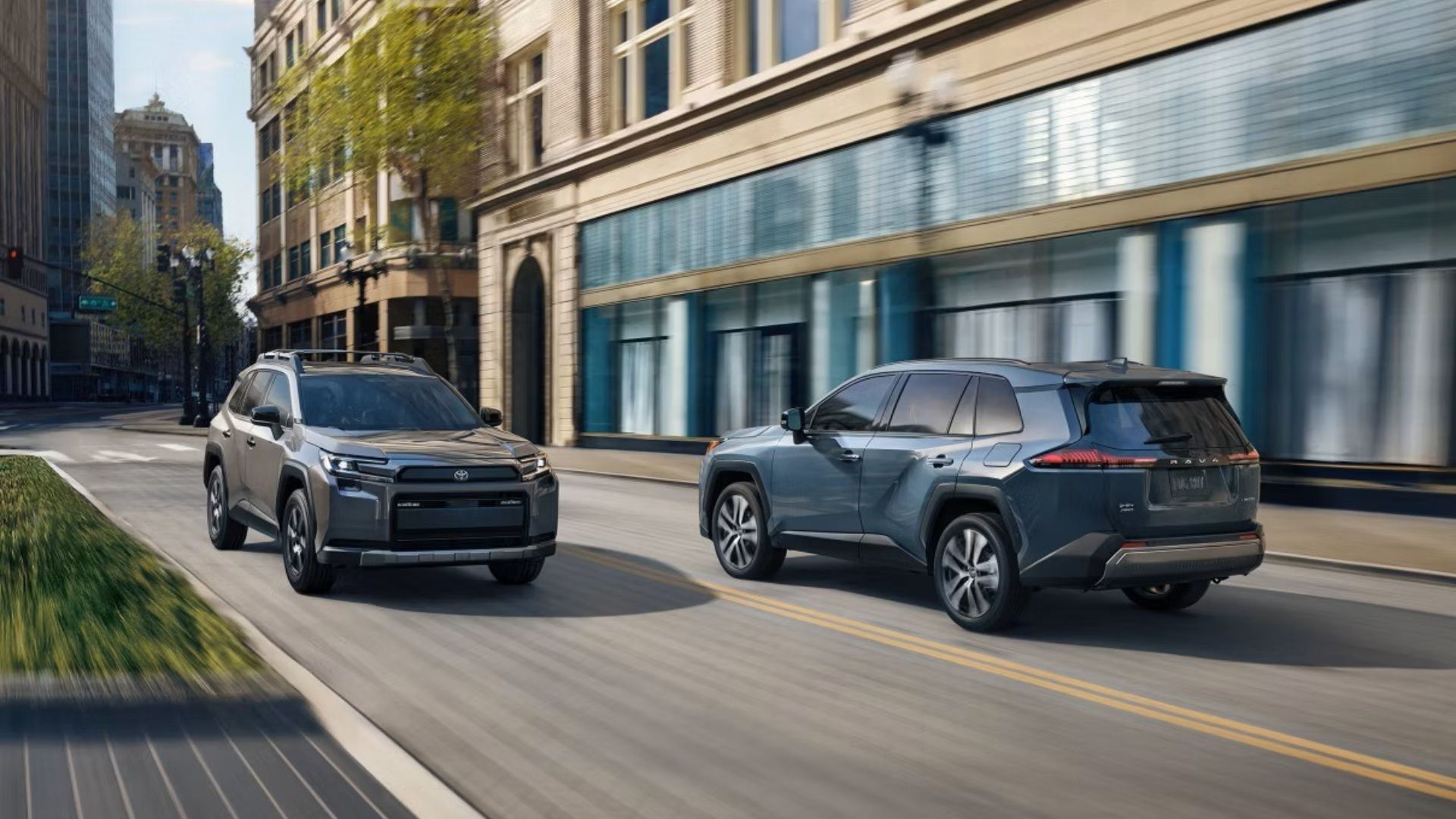
The RAV4 is our pick for drivers who prioritize standard hybrid power, higher comparable fuel economy, and useful cargo space with the rear seats upright. The CR-V's stronger points are rear-seat legroom and maximum cargo volume, making it a credible alternative when those needs lead your decision.
Schedule a test drive at Toyota of Renton in Renton, part of the O'Brien Auto Group. We'll help you explore available RAV4 models in our current selection and find the trim that fits your daily drive.
*Penned by AI, polished by humans
Categories:
Toyota of Renton