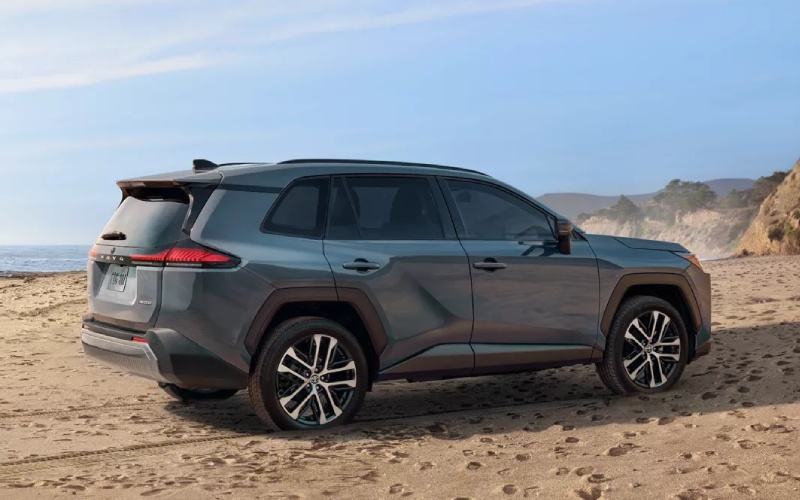
Toyota of Renton - 2026 RAV4 vs 2026 CR-V: Which compact SUV delivers smarter hybrid AWD for Bellevue, WA commuters?
When local shoppers compare compact SUVs for daily use and weekend flexibility, a common question comes up fast: which one delivers smarter hybrid all-wheel drive for real-world commutes, quick errands, and the occasional gravel detour around Bellevue, WA? The 2026 Toyota RAV4’s hybrid lineup offers multiple trims with available AWD, a standard 12.3-inch digital gauge cluster, and an available 12.9-inch Toyota Audio Multimedia touchscreen that extends comfort and confidence on every drive. The CR-V counters with a clean, intuitive cabin and an efficient hybrid system of its own, plus a 9-inch touch-screen that is standard, Google built-in on specific trims, and a cabin many drivers find familiar the moment they sit down. Both are excellent choices — but if you value deeper traction smarts, towing flexibility, and the option to go plug-in, you will want to look closely at the RAV4.
This guide addresses the layered questions shoppers ask as they move from shortlists to test drives, and it does so with the daily rhythms of the Eastside in mind. You will find clear explanations of how each SUV’s AWD works with hybrid power, which features add confidence on I-405 and surface streets, and what matters if you are choosing one vehicle to handle weekdays and the long weekends you keep promising yourself. And as you consider where to shop and service, you can count on Toyota of Renton — serving Bellevue, Kent, and Burien — for local insight and a thoughtful, low-stress experience from start to finish.
What makes a hybrid AWD system feel “smarter” in daily driving?
Smart all-wheel drive is more than four powered wheels. It is how quickly and precisely the system senses slip, routes torque, and cooperates with braking and stability controls — all without drama or added driver input. The RAV4’s available AWD is engineered to work seamlessly with its hybrid system so you can feel sure-footed when merging onto I-405, rounding a tight uphill onto NE 8th Street, or easing into a rain-slick parking ramp. The CR-V’s available Real Time AWD is tuned for smooth, predictable engagement and pairs well with its hybrid system on higher trims. Both systems are confidence-builders; yet the RAV4’s broader powertrain menu and traction-focused trims give it an edge for shoppers who want the most choice.
How do the drivetrains differ when you are on the move?
In stop-and-go traffic, both SUVs benefit from hybrid torque that responds right now, not after a downshift. The RAV4’s hybrid approach coordinates electric motor assistance with the gasoline engine to move decisively off the line and settle into a relaxed cruise. Regenerative braking is tuned to feel natural when feathering the pedal around downtown or easing down long grades. The CR-V’s hybrid is similarly responsive and refined, with smooth handoffs between electric and gasoline power that keep your attention on the flow ahead. Where the RAV4 separates itself is choice: hybrid across several trims and an available Plug-in Hybrid (PHEV) that adds EV driving for short trips. If your daily pattern is a blend of quick local runs and longer highway stints, that added flexibility is hard to beat.
Traction, towing, and the kind of utility you feel
On Bellevue side streets and in garages with tight angles, traction is not just about foul weather — it is about consistency. The RAV4 offers available all-wheel drive across its electrified lineup and supports up to 3,500 pounds of towing, enough for a small trailer or lightweight recreational gear. That combination broadens what one SUV can do without breaking stride. The CR-V’s available AWD is a steady partner for varied pavement and light trails, and select trims bring extra confidence, but towing limits cap what you can bring along. If your weekends include bikes, paddleboards, or a small teardrop, the Toyota’s capability helps you say yes more often.
Cabin tech that actually simplifies your day
What makes a great commute is less tapping and more doing. The RAV4’s standard 12.3-inch digital gauge cluster puts key info where you expect it, and the available 12.9-inch touchscreen presents maps, media, and vehicle settings with the kind of scale that reduces distraction. Wireless Apple CarPlay® and Android Auto™ quickly hand off your phone’s apps, and available Dual Qi-compatible wireless charging keeps devices topped up. The CR-V’s standard 9-inch touch-screen, wireless phone charging on all trims, and Google built-in on certain models keep pace for digital daily life; it is straightforward and familiar. Still, the Toyota’s larger displays and feature availability make the system feel more like a helpful co-pilot and less like a to-do list.
Parking help and everyday confidence
Tight curbside spaces and crowded garages are a fact of urban life. The RAV4’s available Advanced Park can help steer, accelerate, brake, and shift to guide you into a detected parking space — a genuine stress reducer when you are juggling schedules and coffee cups. Standard Toyota Safety Sense 4.0 (TSS 4.0) brings a robust list of driver-assist features, and an available Drive Recorder can capture video from the vehicle’s cameras for added peace of mind. The CR-V’s Honda Sensing suite is standard as well, with proven features like adaptive cruise control, lane keeping support, and Traffic Jam Assist; it is a strong bundle, but without hands-free parking or an integrated dashcam equivalent.
Quick decision guide
If your shortlist is down to two, use these focused prompts to align the vehicle to your routine.
- Powertrain choice: Do you want a standard hybrid, or is the added flexibility of a Plug-in Hybrid (PHEV) appealing for short local trips?
- Traction priorities: Will available AWD on multiple electrified trims help you feel more confident on mixed surfaces and steep ramps?
- Cabin tech: Do you prefer larger, more configurable displays and available dual wireless charging for a calmer cockpit?
- Parking ease: Would available hands-free parking remove stress from daily parallel and garage parking?
- Towing needs: Do you plan to pull a small trailer or recreational gear that benefits from higher capacity?
Frequently Asked Questions:
Can I get hybrid all-wheel drive on both SUVs?
Yes. Both offer hybrid models with available AWD, though the Toyota lineup offers that capability across multiple trims and also adds a Plug-in Hybrid (PHEV) variant for added versatility.
Do both models support wireless smartphone integration?
Yes. Wireless Apple CarPlay® and Android Auto™ are supported on both, with the Toyota offering an available 12.9-inch touchscreen and the Honda featuring a standard 9-inch touch-screen.
Which offers more driver-assist technology?
Both include comprehensive suites. Toyota Safety Sense 4.0 is standard on RAV4 with features like available Traffic Jam Assist and available Advanced Park; Honda Sensing is standard on CR-V with features including adaptive cruise, lane keeping support, and Traffic Jam Assist on appropriate roads.
Are there features that specifically reduce parking stress?
The Toyota offers available Advanced Park for hands-free parking and an available Drive Recorder for video capture — features the Honda does not match directly.
As you work through your decision, consider where you drive most and which features simplify those moments. If you want the broadest mix of hybrid power, AWD confidence, towing headroom, and parking assistance, the Toyota’s configuration choices line up neatly with a Bellevue routine that shifts from downtown errands to trailhead meetups without missing a beat.
Request more 2026 Toyota RAV4 information
Categories:
Toyota RAV4