Toyota of Renton - Towing Simplified: Toyota SUVs and Trucks near Bellevue, WA
If your weekends shift between city errands and quick escapes to Lake Washington or Lake Sammamish, towing should feel simple, confident, and drama-free. Around Bellevue, WA, that means navigating steep neighborhood grades, tight parking garages, damp boat ramps, and breezy floating bridges—often in the same day. Toyota SUVs and trucks shine in this mixed-use reality, pairing intuitive tech with stout capability and everyday drivability.
This guide focuses on real towing use cases most drivers encounter near Bellevue—launching a small boat or pair of jet skis, hauling a lightweight camper to the Cascades, or pulling a utility trailer for home projects—so you can match the right Toyota to how you actually use it.
Which Toyota fits your towing weekend?
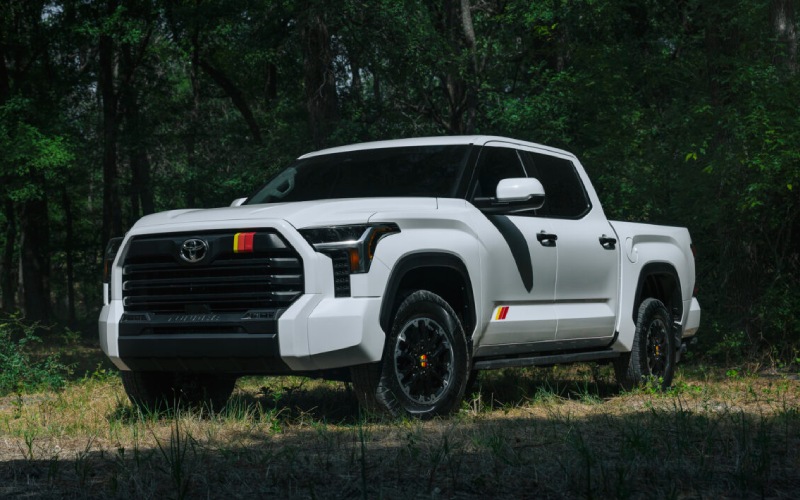
Toyota’s lineup makes it easy to scale up or down based on what you tow and where you go. Crossovers like RAV4 and Highlander handle lighter loads with excellent comfort and efficiency. Step up to 4Runner for rugged launches and unpaved approaches. Tacoma brings bed utility and trail talent, while Tundra and Sequoia handle heavier boats and family gear with ease.
- Light watercraft and small utility trailers: RAV4, RAV4 Plug-in Hybrid, Highlander, Grand Highlander
- Pop-up campers and compact travel trailers: 4Runner, Highlander, Grand Highlander, Tacoma
- Heavier boats and multi-axle trailers: Tundra, Sequoia
- Frequent unpaved access or slick ramps: 4Runner (with low-range), Tacoma (with off-road packages)
- Daily-commute friendly with occasional towing: Highlander Hybrid, Grand Highlander Hybrid, RAV4 Hybrid or Plug-in Hybrid
- Maximum torque with modern efficiency: Tundra i-FORCE MAX, Tacoma i-FORCE MAX
Exact tow ratings vary by engine, drivetrain, and equipment—always verify your vehicle’s rating, required hitch class, and wiring needs in the owner’s manual.
Bellevue-area towing realities to plan around
Local geography shapes smart towing choices. The I-405 climb between Renton and Bellevue is a sustained grade that rewards engines with abundant midrange torque and well-tuned transmission mapping—both Toyota strengths. The SR 520 floating bridge can bring gusty crosswinds and lane shifts where Trailer Sway Control helps keep the combination settled. On summer weekends at Lake Sammamish State Park, you’ll appreciate cameras, parking sensors, and power mirrors when maneuvering in busy staging areas. Expect damp or algae-slick ramps, especially in shady spots—4WD or selectable drive modes can be a confidence booster here.
In town, many Bellevue parking garages have tight turns and lower clearances. If you split time between downtown errands and towing duty, models like Highlander, Grand Highlander, or RAV4 offer a great balance of compact-ish footprint, ride comfort, and capability.
Hybrids and towing: what to expect
Toyota’s hybrid expertise pays off for weekend towers who also commute during the week. Highlander Hybrid and Grand Highlander Hybrid are smooth, quiet, and efficient in city traffic yet fully capable of handling lighter trailers. For bigger duty, the Tundra and Tacoma i-FORCE MAX hybrids add electric torque to turbocharged engines for strong low-speed pull—great when easing up a ramp or merging onto I-90 with a headwind.
Two practical notes: hybrid tow ratings vary by configuration, and when descending long grades, regenerative braking may reduce under heavy loads. Downshift early, use engine braking, and select Tow/Haul or downhill assist features where equipped.
A pre-tow checklist for the Eastside
Before you back down Gene Coulon Park’s ramp in Renton or point the nose toward Snoqualmie Pass, a few quick checks can make a huge difference in safety and calm.
- Weight check: Confirm the trailer’s total weight and tongue weight are within your Toyota’s limits.
- Hitch and ball match: Verify ball size, coupler fit, and that the hitch class meets or exceeds your trailer’s specs.
- Wiring and lights: Test all signals and brake lights—many Toyota models simplify this with on-screen checks.
- Brake control: Set gain for electric trailer brakes if your trailer is so equipped; do a low-speed test stop.
- Tire pressure: Inflate vehicle and trailer tires to recommended pressures for stable handling and cooler running.
- Mirrors and cameras: Adjust mirrors and enable camera views; line up backing guidelines before approaching the ramp.
- Cargo balance: Load 60 percent forward of the trailer axle and aim for roughly 10 percent tongue weight.
- Route plan: Choose lanes with easy exits for SR 520 or I-405, and time ramp arrivals to avoid peak congestion.
Many Toyota SUVs and trucks include features that simplify this routine—Trailer Sway Control, Tow/Haul modes, downhill assist, and surround-view or backup cameras that help you align with precision.
Boat ramp finesse: traction, visibility, and control
Slippery ramps are where Toyota hardware and software earn their keep. 4Runner’s low-range gearing, Multi-Terrain Select, and available Crawl Control help you move slowly and confidently. Tacoma’s off-road setups provide similar traction smarts, useful on gravel fit-to-launch spots along the Snoqualmie River or at quieter Lake Washington coves. On crossovers like RAV4 and Highlander, selectable drive modes and smart AWD systems help maximize grip—just approach the ramp with a steady crawl and avoid sudden throttle inputs.
Visibility is half the battle. Utilize your Toyota’s backup camera and, if equipped, top-down view to center the trailer early. Small steering inputs, clear hand signals with your partner, and a quick walk-around before you creep down the ramp save time and stress.
When retrieving, set your parking brake firmly, chock the trailer if needed, and select Tow/Haul or the appropriate drive mode to hold gears and reduce heat as you pull the load up the incline.
For longer trips—think a weekend loop from Bellevue to Roslyn or a lake-to-lake tour across the Eastside—cruise control paired with your Toyota’s torque-rich powertrains keeps the pace relaxed. Use manual downshifts on eastbound I-90 descents to preserve brakes and maintain speed control.
Urban ease the other six days of the week
Most Bellevue-area towers are everyday drivers first. That is why Toyota emphasizes maneuverability, visibility, and comfort across the lineup. RAV4 and Highlander slip into garage spots more easily than many crossovers, yet still offer respectable towing. Grand Highlander adds third-row flexibility without feeling unwieldy in Overlake or Old Bellevue parking structures. For trucks, Tacoma’s newer cabin ergonomics and cameras make downtown parking simpler than you might expect, while Tundra’s tech and composed ride take the sting out of longer I-405 commutes.
Inside, generous storage nooks, wireless smartphone integration, and straightforward controls make it easy to juggle launch passes, tie-downs, and family gear. Toyota’s clear, quick-responding touchscreens and physical knobs are helpful when you need to make rapid adjustments before backing down a busy ramp.
At Toyota of Renton, we help you configure the right hitch class, wiring, brake controller setup, and tires for your trailer and destinations—serving Kent, Burien, and Seattle as well as the Eastside. Our team can also demonstrate backing techniques and show you how to use your vehicle’s tow and camera features at the curb before you head out.
Frequently Asked Questions:
Which Toyota models are best for launching a small boat on Lake Washington?
For aluminum fishing boats, small sailboats, or a pair of jet skis, RAV4, Highlander, and Grand Highlander offer the right mix of traction, visibility, and manageable size. If the ramp is steeper or slicker than expected, 4Runner or Tacoma with off-road features add extra traction and low-speed control.
Can a hybrid Toyota tow up to Snoqualmie Pass without strain?
Yes—within the published tow rating for your configuration. Highlander Hybrid and Grand Highlander Hybrid are smooth on grades when you use Tow/Haul or downshift early. For heavier loads, consider Tundra or Tacoma i-FORCE MAX hybrids for robust torque on longer climbs.
Do I need 4WD to use Eastside boat ramps?
Not always, but it helps. Many launches are manageable with AWD crossovers on good tires and patient throttle. If you frequently encounter algae-slick surfaces, unpaved access, or low-water angles, 4WD with low range (4Runner, select Tacoma models) offers extra assurance.
How do I know if my trailer weight is safe for my Toyota?
Start with the owner’s manual and the tow rating label on the driver’s door jamb. Weigh the trailer—fully loaded with fuel, gear, and water—then verify that total weight and tongue weight fit within your Toyota’s limits, hitch class, and tire load ratings. Keep an eye on payload, too, since passengers and cargo count against it.
What accessories should I add for local towing?
Common additions include the correct-class hitch and ball mount, 4-pin or 7-pin wiring with a quality brake controller if required, extendable mirrors, and all-weather floor liners for wet ramp days. If you store outdoors, a locking hitch pin and corrosion-resistant wiring connectors are smart investments.
Towing near Bellevue, WA can be smooth and enjoyable with the right Toyota and a few local-savvy habits. Whether you are easing down the ramp at Meydenbauer Bay Park, trailering over I-90 to a mountain lake, or hauling supplies for a weekend project, Toyota SUVs and trucks deliver the capability, visibility, and calm control that make every trip feel easy.
Request more information
Categories:
Toyota Dealer